Solid Water: Technology for Irrigation Efficiency
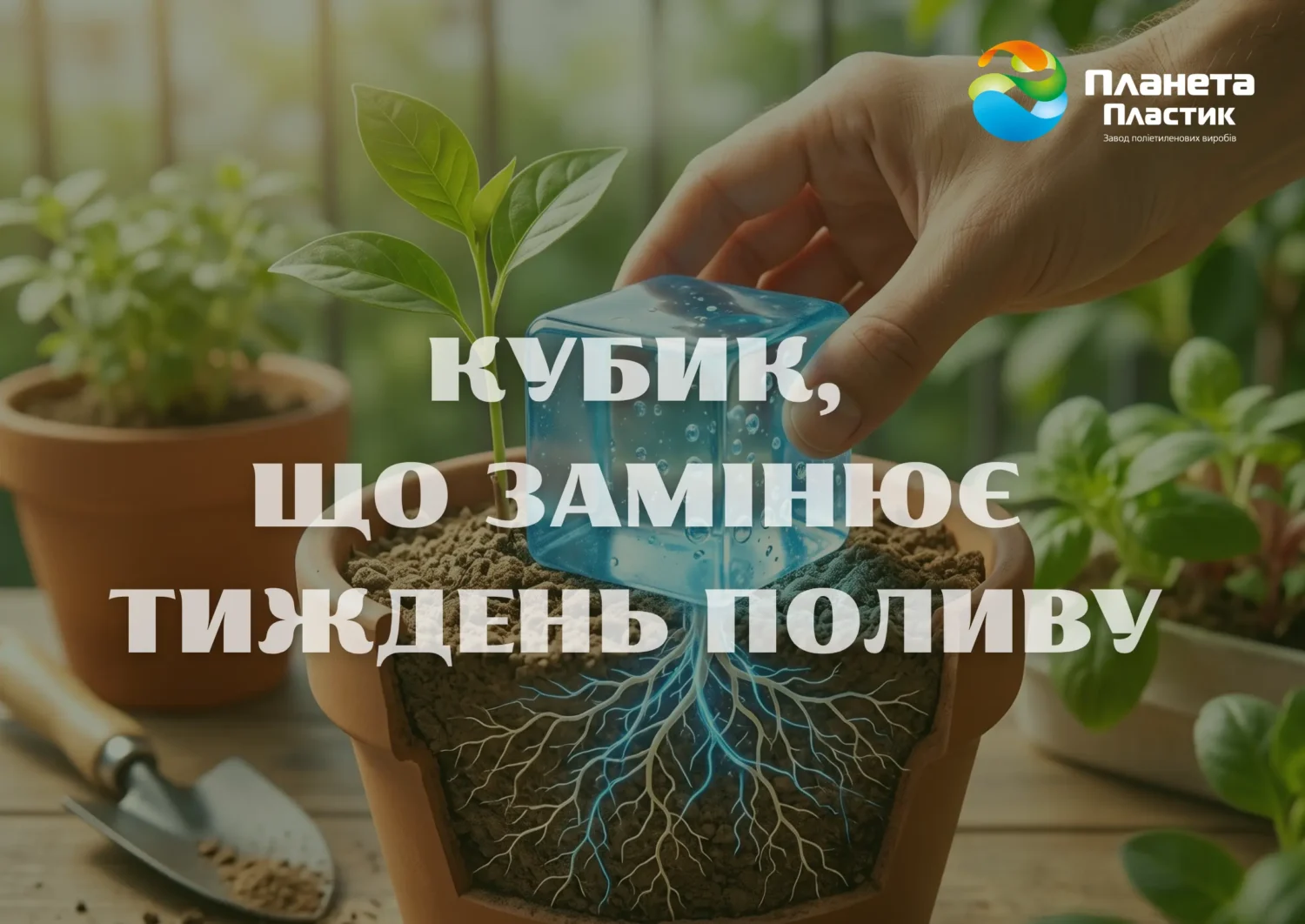
A development by Spanish scientists that could change the approach to irrigation — and what films and pipes have to do with it.
Water That Doesn’t Flow
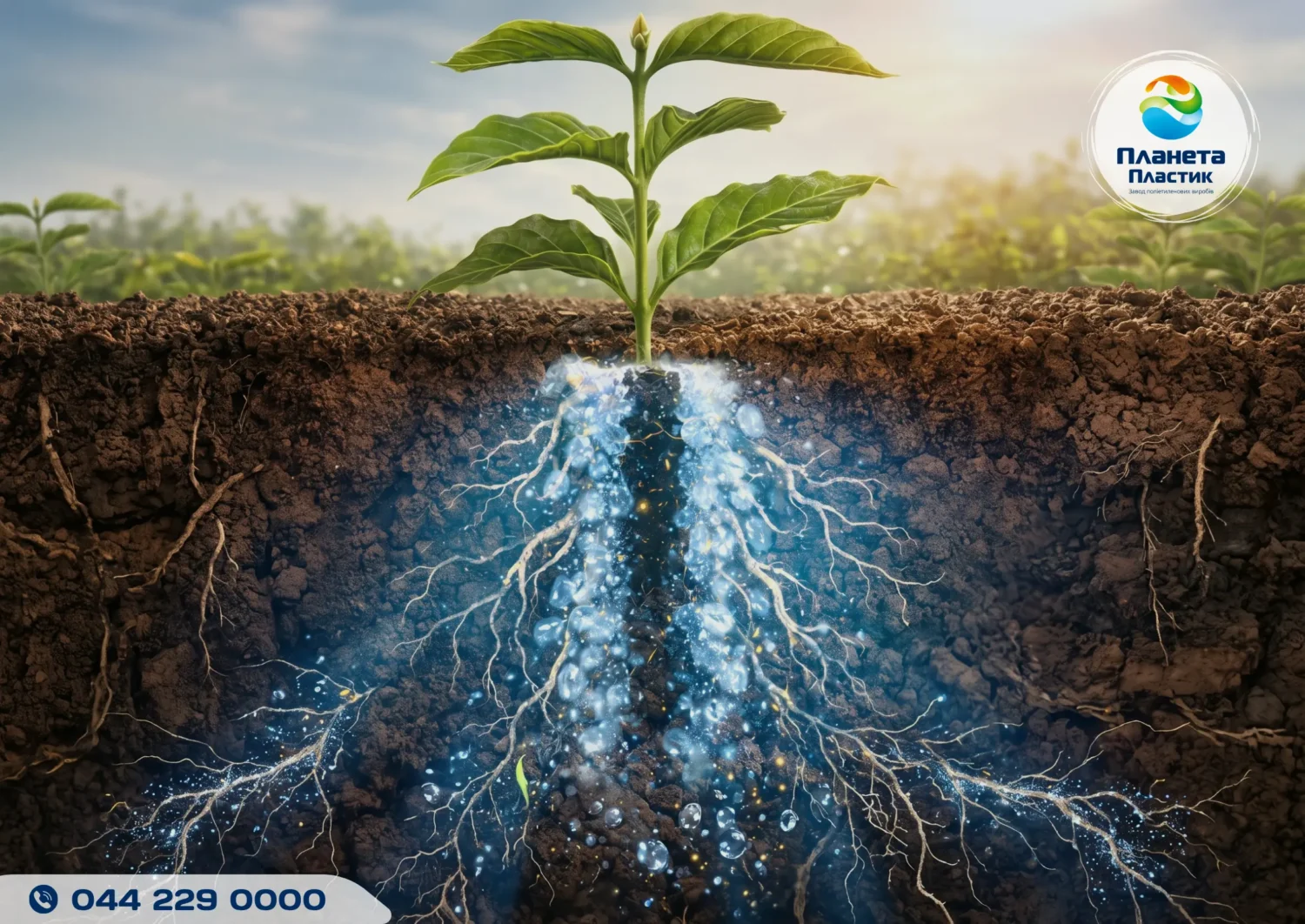
Imagine water you can hold in your hand. Not ice, not snow, and not even a store-bought gel sachet — but something in between: a near-transparent mass made up of 95% water that doesn’t drip, doesn’t evaporate within an hour, and doesn’t leak from a pot. This exact substance was developed at the Spanish Plastics Technology Centre AIMPLAS and named literally — agua sólida, “solid water” (AIMPLAS, “Agua sólida, una alternativa biodegradable para mantener las plantas hidratadas“).
It sounds like a magic trick. In reality, it is an engineering solution to a very practical problem: how to keep plants alive when there is no one around or no time to water them.
Why This Isn’t Just Another Hydrogel
Hydrogel beads for plants have been manufactured and sold for years, and skepticism here is well-justified: swell up, retain moisture, dry out — repeat cycle. “Solid water” works on a different principle. It is not a passive sponge, but a system that releases moisture not evenly over time, but guided by how much the plant actually needs at any specific moment.
The difference is noticeable in practice. The substrate stays at the “right” moisture level longer — avoiding the two extremes that kill roots and plants: drying out and waterlogging. According to the developers, this reduces watering frequency by approximately 25% (AIMPLAS; Hortoinfo.es, 2026).
“We wanted to create a solution that enables more efficient water use — releasing it gradually, only when the plant needs it, and reducing irrigation frequency without compromising biomass and plant health,” explains Jaime Andrés, researcher in sustainable materials for agriculture and aquaculture at AIMPLAS.
And another aspect that frequently concerns agricultural producers when discussing a new polymer material: microplastics. There are none here. The matrix is made from biodegradable components, degrades naturally in the soil, and leaves no persistent residues (AIMPLAS).
From a Research Greenhouse to a Balcony Planter
The developers immediately envisioned two use cases. The first is agriculture, where the material helps crops survive heatwaves with minimal yield losses. The second is far more everyday: pots, terraces, balconies, flower beds, and urban gardens, where it keeps plants alive while their owners are away on vacation (AIMPLAS, 03.08.2026; Hortoinfo.es, 2026).
Yet the most compelling aspect for a commercial grower is not merely “watering less often,” but the fact that the technology maintains a continuous moisture source directly in the plant’s root zone, reducing total water consumption for irrigation.
And here is where it connects: a similar concept — retaining moisture where it is needed and preventing wasteful evaporation — has been operating on Ukrainian farms for years, just using different tools.
An Old Concept, New Technologies — and Where We Fit In
This is where the practical part that interests us most begins. “Solid water” illustrates a principle agricultural producers have utilized for decades: moisture loss is more cost-effectively addressed as a comprehensive system rather than a single technology.
Overhead barrier.
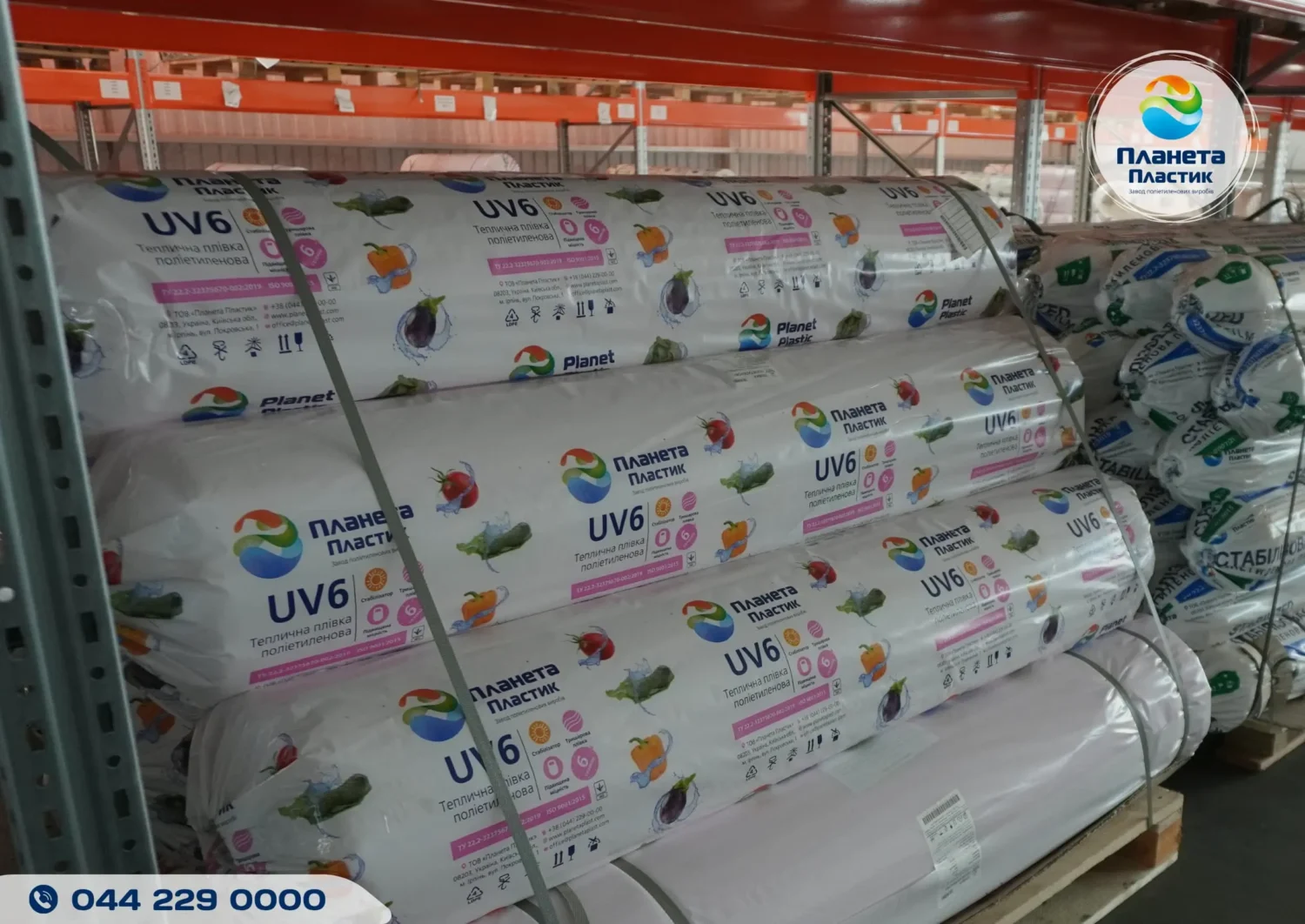
In a greenhouse, the main enemy of moisture is not the sun, but sharp temperature fluctuations and uncontrolled evaporation through ventilation openings. That is why greenhouse film is chosen not just as any generic covering, but for its ability to maintain a stable microclimate: fewer internal fluctuations mean less water lost to the air instead of feeding the roots.
Soil barrier.
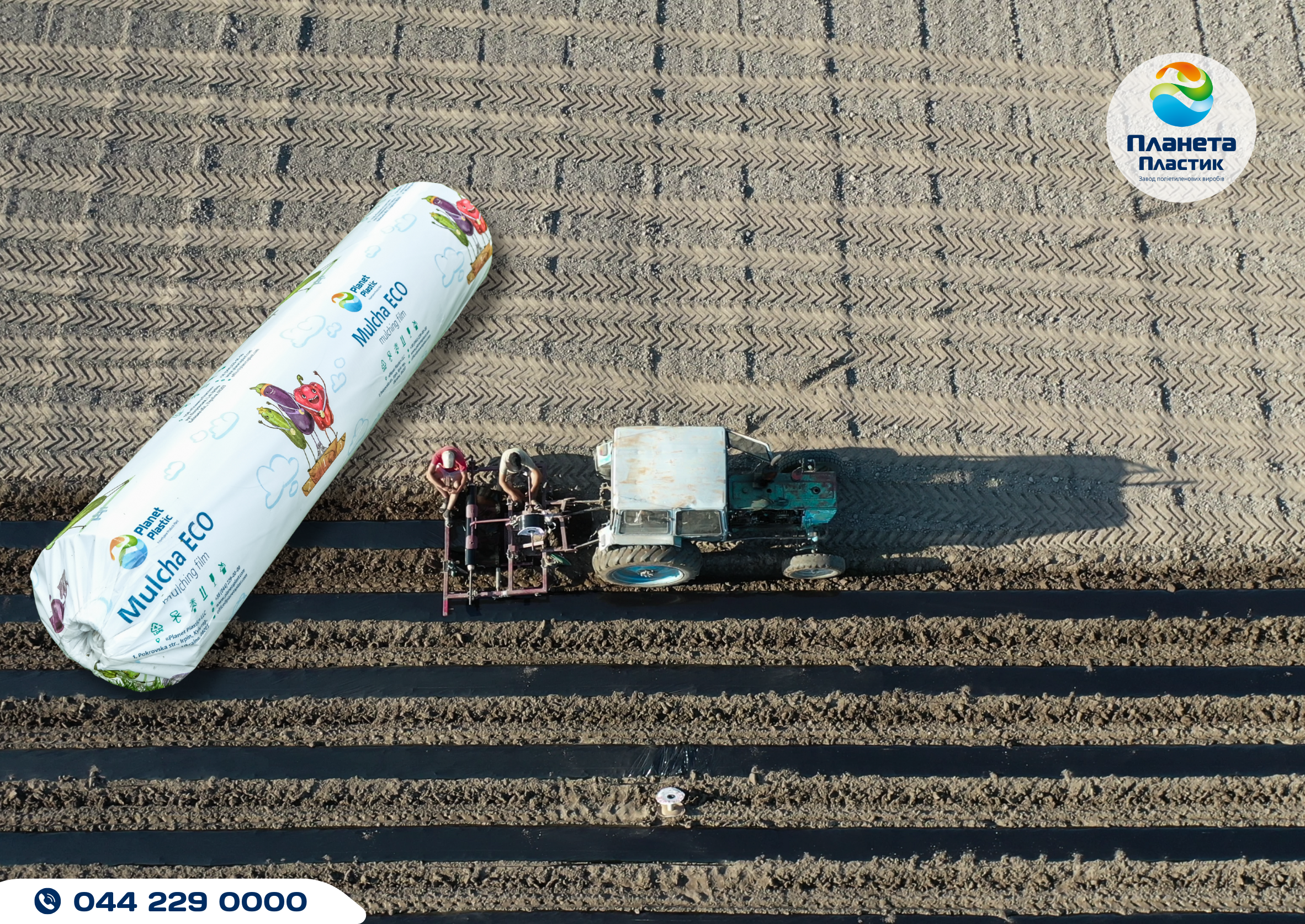
In open fields, the exact same task — locking moisture at the root and preventing it from vanishing in the heat — has been solved for decades by mulching film. The principle is fundamentally identical to “solid water”: creating a barrier that saves every liter of irrigation water rather than adding more.
Precision delivery.
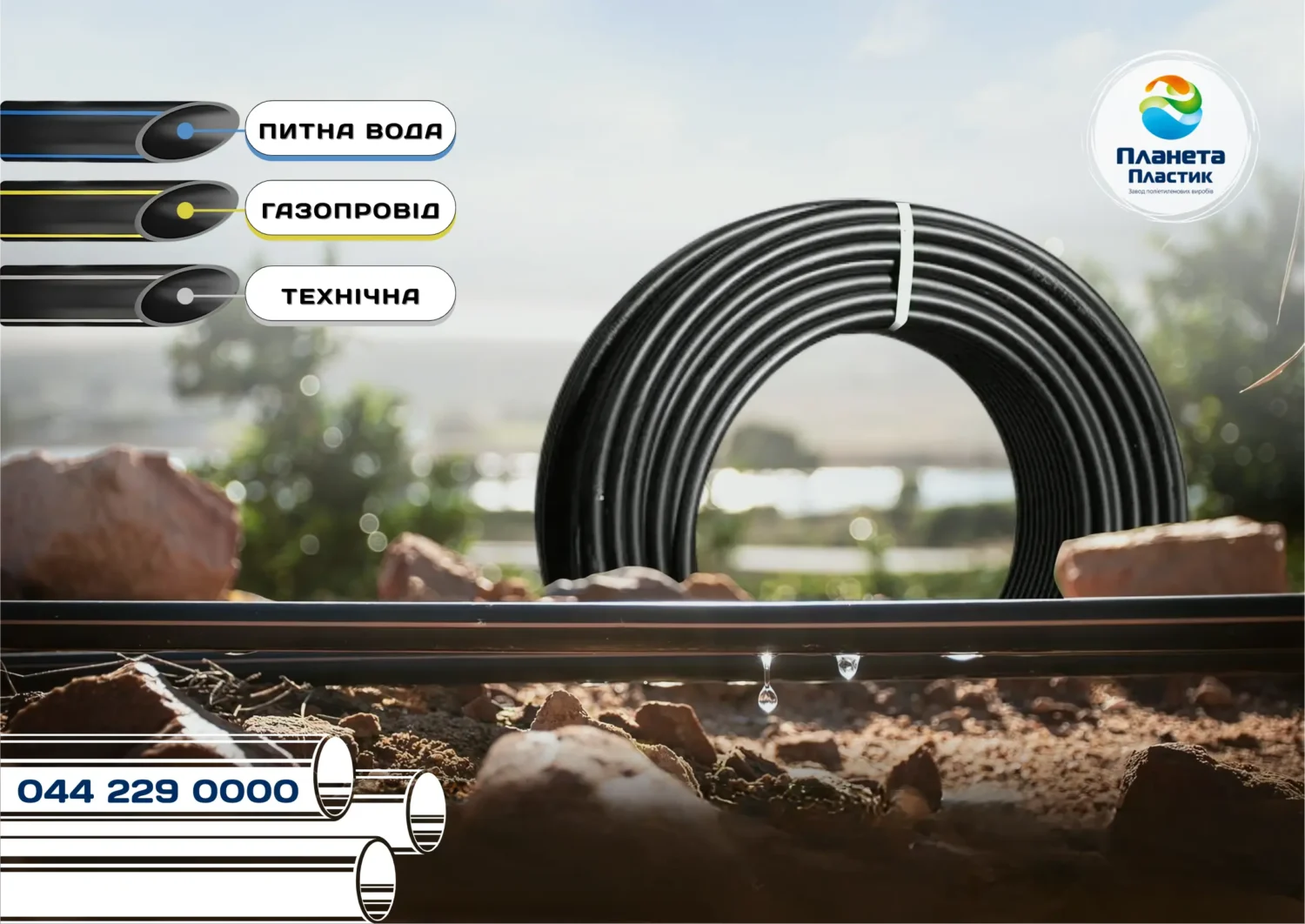
And water delivery itself — without which no barrier and no moisture retainer will function — relies entirely on the irrigation system. Here, reliable polyethylene pipes are indispensable: they do not leak, do not crack under intense UV, and precisely deliver water directly to where the roots need it, rather than where it simply evaporates from the surface.
In other words, “solid water” is not a replacement for these solutions, but a conceptual continuation of the same logic already utilized by industrial greenhouse farming: waste less water, deliver more directly to the plants.
A Single Technology Within a Large-Scale Project
“Solid water” is not an isolated laboratory experiment, but part of the European RAINS project, funded by the EU and coordinated by SAV Agricultores de la Vega de Valencia. The project’s goal goes beyond a single material: enhancing the EU agricultural sector’s resilience to water scarcity through ten distinct innovative irrigation solutions — from alternative water and biofertilizer delivery methods to digital irrigation management systems such as Optifangs-IA and WaterIQ. All solutions are already being tested across ten farms in Greece and Spain.
To be transparent: the “25% reduction in watering” figure currently comes directly from the developer, as independent field studies with published results are still pending. This is a standard phase for a newly introduced technology — and upcoming field trials on farms in Greece and Spain will demonstrate whether the claimed performance holds up in real-world conditions beyond the laboratory.
What to Implement Today
Regardless of when “solid water” becomes a commercial product, the principle it demonstrates works right now: water efficiency is achieved not by a single measure, but through an integrated approach — an overhead barrier and precision delivery below. In a greenhouse, that barrier is high-quality film, in the open field it is mulching, and precision delivery in both cases is ensured by a reliable polyethylene pipe irrigation system.
If you are selecting greenhouse film, mulching film, or pipes for a specific irrigation setup, the Planeta Plastik team will provide tailored options for your crops, acreage, and budget.
Contact us: