Tomato business under film: production details
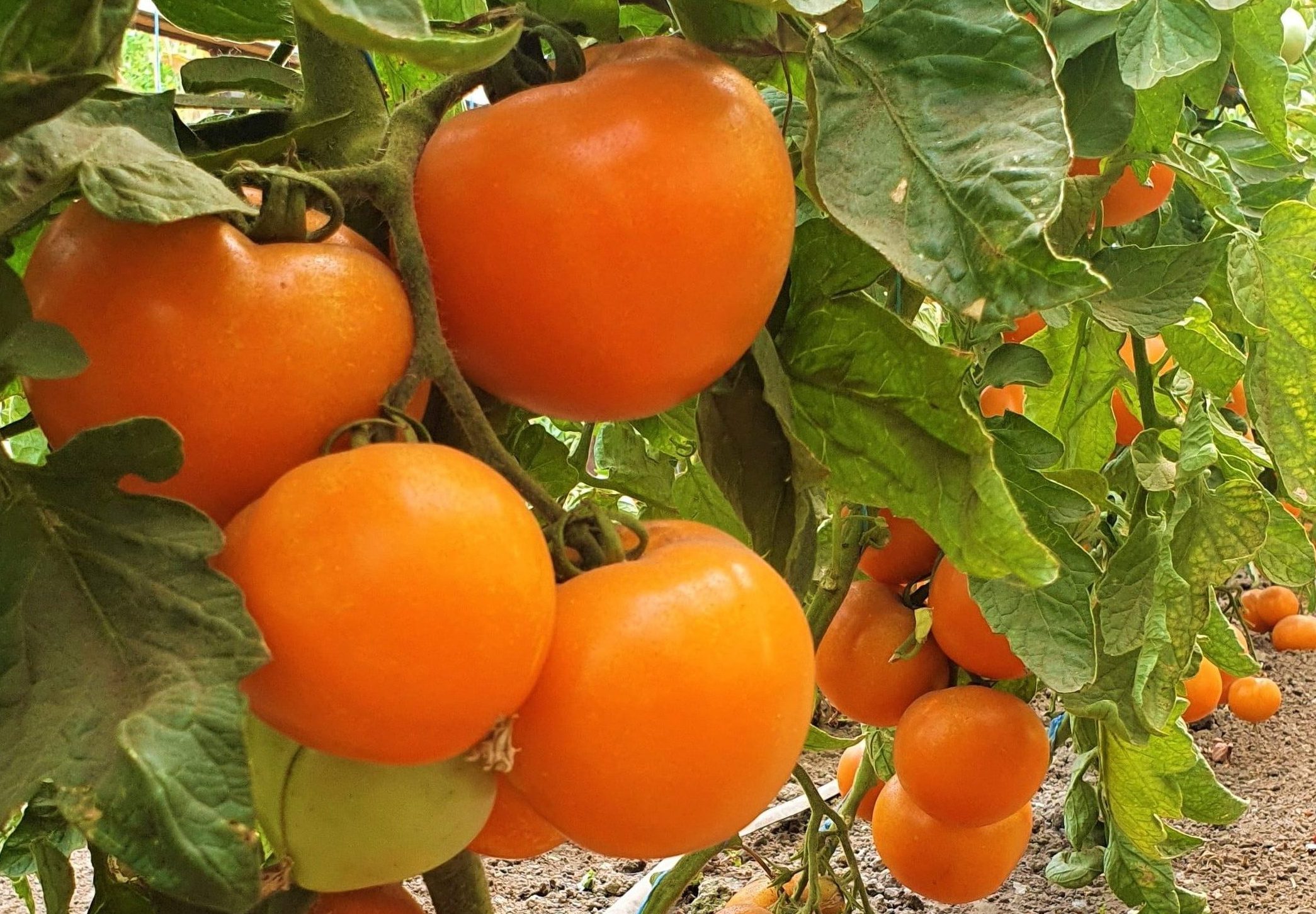
High-quality greenhouse film is the key to the yield of vegetable crops in a greenhouse, believes Dariia Savkiv from the village of Dobrivliany in the Ternopil region. And the grower is absolutely right, as she has been engaged in cultivating greenhouse produce for sale for more than one decade. She is not alone: in Dobrivliany, almost every family manages several greenhouses. Growing tomatoes in winter, along with cucumbers and greens, has become an integral part of life for local residents and nearly their sole source of income—especially for those who did not leave to seek better earnings abroad.
Dariia Savkiv shared her experience in cultivating tomatoes in greenhouses, since her family specializes in this crop, along with details worth paying attention to when selecting multilayer greenhouse films.
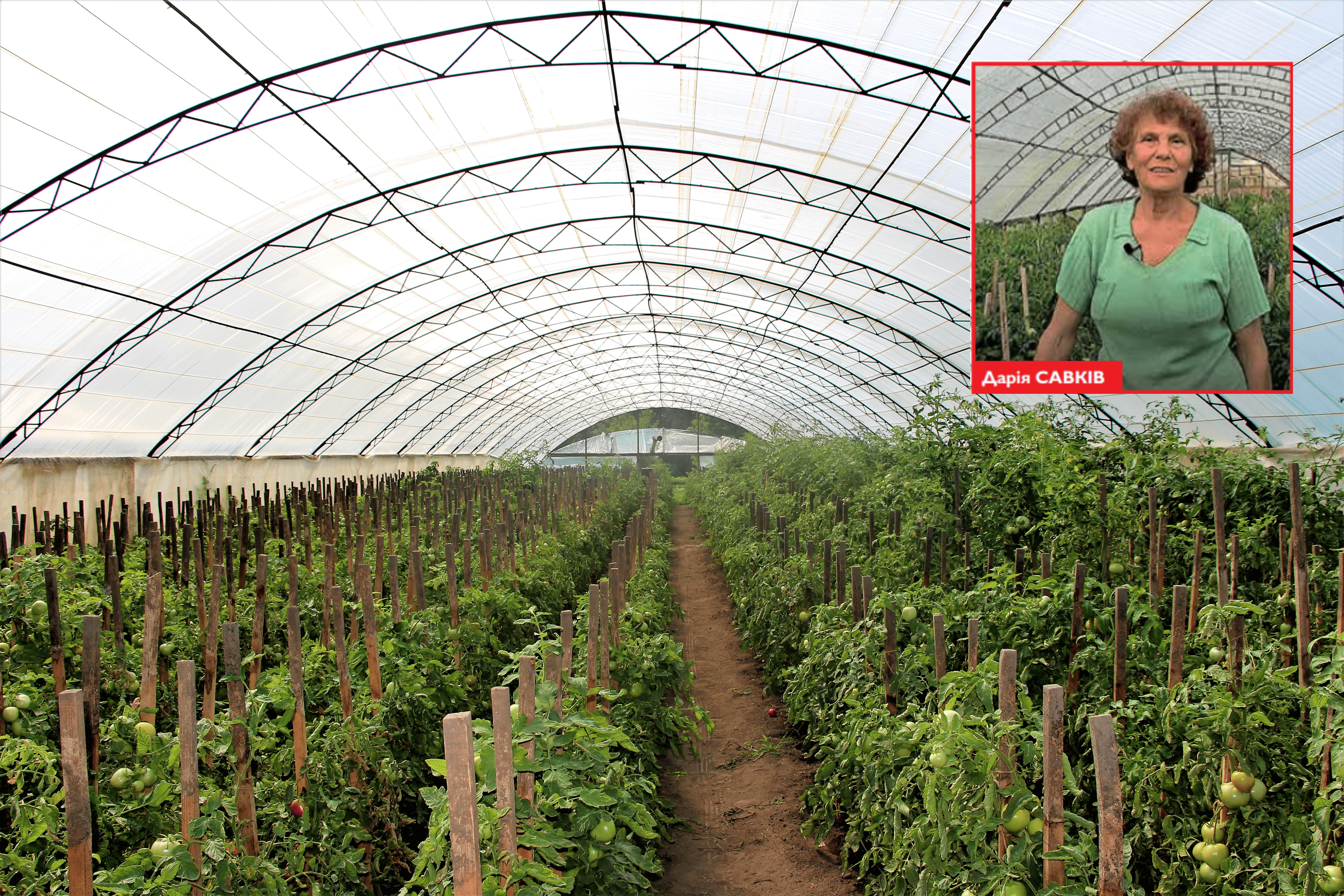
“Our technology for growing tomatoes in greenhouses is as follows: we manage five greenhouses in total. In the smallest one—which is made of glass—we sow seeds at the beginning of February and raise the seedlings until they reach approximately 10 centimeters in height. This is our smallest greenhouse, a little nursery house really, and we heat it with firewood burned in a potbelly stove. Due to the small area of the structure, we save on fuel. Once the seedlings reach the required size, we transplant them into slightly larger film-covered greenhouses, of which we have two. There, the plants grow to about half a meter in length, and flowers or even fruit sets begin to appear. These greenhouses are also heated with solid fuel, particularly when there are outdoor frosts. Until the cold spells pass, my husband and I sleep out in these greenhouses to maintain the required internal temperature. During this period, you could say that planting tomatoes in the greenhouse completes its first phase.”
“After nurturing the seedlings to the necessary developmental stage, we transplant them from pots directly into the soil inside two prepared industrial greenhouses, where the growing process and harvesting of tomato fruits continue. Our industrial greenhouses are 44 meters long and 9 meters wide. To retain the daytime heat inside the structure as long as possible, we build our industrial greenhouses quite tall, around 7 meters high. This is because we haven’t equipped them with heating systems—the price of fuel would significantly drive up the production cost of the final product. For the same reason, we don’t risk transplanting the plants into the industrial greenhouse earlier than April,” notes Dariia Savkiv.
The grower pointed out that caring for tomatoes in the greenhouse during severe frosts in April or May, which often happen in Dobrivliany, requires insulating the walls of the industrial greenhouses with a second layer of film, plus covering the tomato beds with white agrofibre. These measures are sufficient to protect the plants from chilling. Black agrofibre is used to mulch the rows inside the greenhouses.
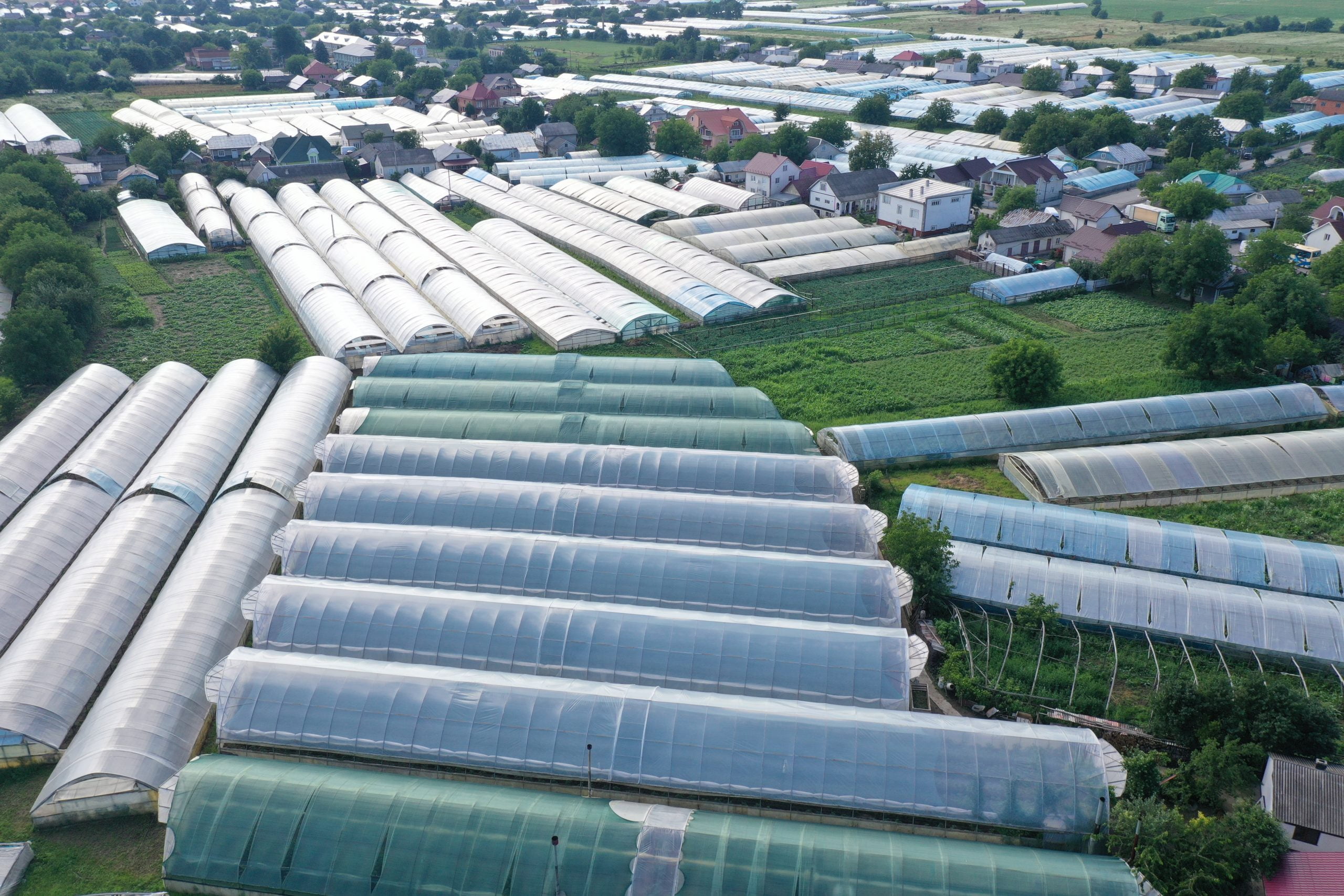
For their greenhouses, the Savkiv family has been utilizing greenhouse film from “Planet Plastic” for many years. Currently, their structures are covered with our ST 24 greenhouse film with a thickness of 120 µm. The service life of this film is 24 months, but for the Savkivs, this greenhouse film has already worked for 2 years, and the grower points out that the film will certainly serve for at least another year.
“The quality of the greenhouse film manufactured by LLC ‘Planet Plastic’ meets the highest international standards, while the price is completely affordable both for commercial producers and amateur greenhouse gardeners,” notes the vegetable grower. “When stretching the film over the greenhouse frame, the material does not deform or tear; even if you intentionally puncture a hole in it, it does not cause the sheet to split. This means the film is elastic and exceptionally strong at the same time. Throughout our practice, we have tested materials from many different manufacturers, including foreign ones, but today we have ended our search with the film from LLC ‘Planet Plastic’. We have been using their film for three seasons now and aren’t planning to buy new rolls anytime soon.”
How to feed tomatoes in a greenhouse? Dariia Savkiv shared that after each season, they remove the film from the frame of the industrial greenhouses so that the soil inside the structure absorbs maximum natural moisture during the autumn and winter periods. To nourish the beds depleted after yielding the harvest, they sow mustard as a cover crop. It is later mown down and left to decompose. This simple manipulation provides the tomato plants with essential micronutrients in the coming season and allows them to save on fertilizers. However, to obtain a rich harvest, it is impossible to completely avoid the use of fertilizers altogether.

Mrs. Dariia prefers organic fertilizers and uses wood ash, which can be categorized as a phosphorus-potassium fertilizer because it is highly rich in potassium and phosphorus, which dissolve easily in water to nourish plants. In addition to potassium, phosphorus, and calcium, wood ash contains numerous micro- and macronutrients without which plant life is impossible.
According to Dariia Savkiv,
it is wise to minimize pesticide treatments in the greenhouse, as they negatively impact the flavor qualities of tomatoes.
And this is another reason to remove the film from the greenhouse every year. Winter frosts have a destructive effect on both pests and pathogenic fungal spores that settle in the soil.
“Our neighbors buy greenhouse film manufactured by LLC ‘Planet Plastic’ too,” says Dariia Savkiv. “Because the quality of this greenhouse film has already been proven by our own experience and years of use, we fully trust it. There are different years when we face hail, gusty winds, or a snowy winter—and the film has withstood all these trials. Therefore, even those who cultivate twice as many tomatoes as we do, which is around 5,000 bushes, and consequently have larger greenhouses, use products from LLC ‘Planet Plastic’.”
By the way, the tomatoes from the Savkiv family do not linger long at home. Every year, the couple successfully markets their goods both at local fresh produce markets and at wholesale depots in Ivano-Frankivsk and Chernivtsi. Using high-quality film for crop cultivation enables the owners to set highly competitive prices for their tomatoes, making their production profitable. Ultimately, materials that serve reliably for a long time help avoid extra operational costs to achieve the desired results.
Wishing everyone a rich harvest!