How to make quality corn silage
Ensiling is the process of acidifying plant biomass with lactic acid produced by specialized bacteria. Lactic acid bacteria occur naturally on the surfaces of plants. Under anaerobic conditions, these bacteria synthesize lactic acid, which acidifies the environment. Under such conditions and at an appropriate concentration of lactic acid, the silage does not spoil and can be preserved for a long period—provided that air access is completely prevented. This acidic environment destroys undesirable microflora that cause silage rotting and protein degradation, which otherwise generate harmful compounds.
Factors that stimulate the proliferation of lactic acid bacteria include:
- high sugar content;
- correct chopping;
- optimal moisture content of the raw material;
- cleanliness of the ensiled material;
- thorough compaction;
- careful covering (rapid exclusion of air access).
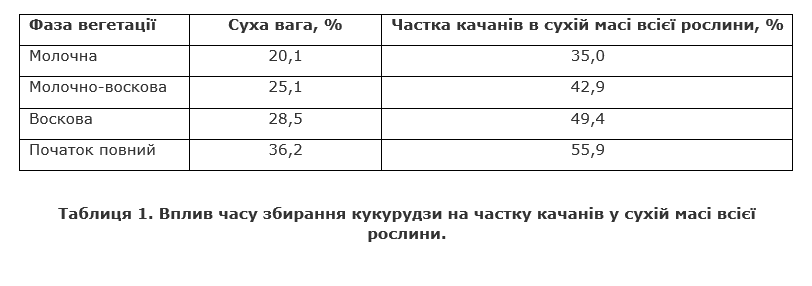
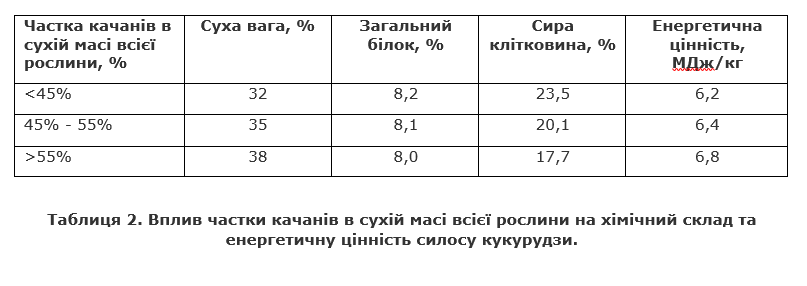
The ear is the primary component of the corn plant that determines harvest quality. Its low fiber content and high concentration of easily digestible carbohydrates mean its energy value is over 60% higher than that of the stalks and leaves. Therefore, harvesting corn for silage should not be rushed. Delaying the harvest from the milk stage to the dough stage increases the share of ears in the total plant dry matter from 35% to approximately 50%. On the other hand, an increase in the ear share within the total plant dry matter from 45% to approximately 55% results in a ¼ reduction in fiber content and a 10% increase in energy value.
The chemical composition of green corn forage changes depending on the cultivation phase.
When to Harvest
The optimal time for harvesting corn for silage is the dough stage of the grain. At this point, the dry matter content ranges from 30% to 35%. At this stage of vegetation, the kernel contains a high volume of starch and can be easily crushed by the kernel processor rollers. This timing delivers the highest yield of dry matter per hectare. However, delaying the corn harvest further for ensiling is not recommended because the material becomes dry, hard, and difficult to chop, even at a dry matter content of 37%.
Poorly chopped green forage is difficult to compact adequately in a silage pit or bunker, making it nearly impossible to establish the anaerobic conditions required for lactic acid bacteria to thrive. Residual oxygen promotes the proliferation of molds and fungi which, fueled by abundant nutrients, release mycotoxins that negatively impact cattle health. During silage face management, air easily penetrates deep into loosely compacted material. Silage produced from such raw material is typically of low quality and is reluctantly consumed by cows.
Under typical weather conditions during the final corn vegetation season, the dry matter content increases by 0.5% per day, while in very warm weather, the daily dry matter accumulation can reach 0.75%.
Nutrient digestibility is also heavily influenced by the crushing of the ensiled raw material. The fiber contained in the vegetative parts (stalk and leaves) is digested by bacteria inside the cow’s rumen. This process is only possible through physical contact between the bacteria and the silage particles. Thus, a short theoretical length of cut increases the surface contact area, improving fiber utilization. For the starch inside the kernel to be broken down by rumen bacteria or canine enzymes, the kernel must be damaged or crushed. This crushing is executed by the rollers of the harvesting machine. Setting the forage harvester to a cutting length of 0.8–1.0 cm damages over 95% of the kernels. The older and drier the forage, the shorter the harvester’s chopping length should be.
Corn is an easily ensiled plant due to its high concentration of soluble sugars. High-quality silage can be stored for a long time without losses. The main challenge arises during silage extraction, particularly in summer. Air exposure triggers the growth of yeasts and molds, leading to aerobic deterioration, an increase in temperature, and an elevated pH level. This environment encourages the multiplication of butyric acid bacteria and secondary fermentation. To prevent this, a preservative inoculant should be applied during production. Ideally, the silage should incorporate Lactobacillus buchneri strains, which produce propionic and acetic acids that effectively inhibit the growth of molds and fungi.
Proper Covering
Ensiled corn must be tightly covered with specialized silage film to guarantee the anaerobic environment necessary for the proper development of lactic acid fermentation bacteria. In addition, the film prevents rainwater from infiltrating the silage mass.
In uncovered storage facilities, silage losses can reach 200–300 kg per 1 m² of surface area. Aerobic spoilage occurs, generating toxic substances that negatively impact animal health and productivity.
It is highly recommended to utilize a two-film system: a thin 40–50 µm layer, known as a vacuum or underlay film, topped with a specialized 120–150 µm black-and-white silage film that protects the pit against heat accumulation and UV radiation.
Utilizing a vacuum underlay film offers the following benefits:
- Acts as additional protection in the event of mechanical damage to the main silage film.
- Allows for a reduction in the required thickness of the primary top silage film.
- Reduces the presence of aerobic molds such as Aspergillus, butyric acid, Clostridia bacteria, and Monascus ruber fungi.

Our films for covering silage pits and trenches hold all relevant quality certificates. We place particular emphasis on maintaining exceptional tear and impact resistance, alongside extended protection against ultraviolet rays.
Harvesting, transport, and compaction operations must be organized efficiently so that the entire ensiling process for a single bunker is completed within 3 days.
High-Quality Silage Indicators
Good quality silage should feature an aromatic, bread-like, slightly sour scent, but must not smell pungent or sharp. Its consistency and color should closely resemble the original green material and remain completely free of mold and soil contamination. Every effort must be made to ensure high silage quality, as errors committed during production cannot be rectified later. When fed low-quality corn silage, cows consume less dry matter and, consequently, exhibit decreased milk yields.
Properly manufactured corn silage should meet the following nutritional parameters:
- dry matter: 30–35%;
- starch: minimum 30% in dry matter;
- crude fiber: maximum 20% in dry matter;
- acid detergent fiber (ADF): maximum 25% in dry matter;
- neutral detergent fiber (NDF): maximum 45% in dry matter;
- energy content: minimum 6.5 MJ per 1 kg of dry matter.