Successful Neighborhoods of Vegetables in Greenhouses. Why It Is Undesirable to Grow Cucumbers and Tomatoes in the Same Greenhouse.
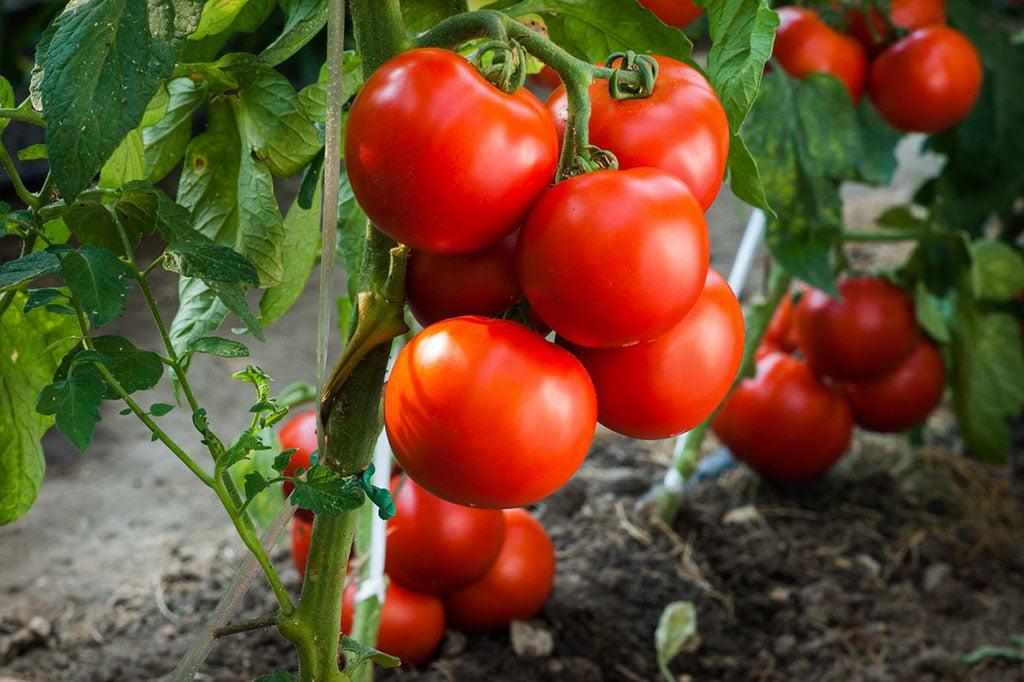
At first glance, the primary advantage of co-planting different crops in a single greenhouse is space saving. This is undoubtedly true, but only at first glance… The thing is, certain successful pairings can multiple the yield of each planted crop. A properly selected combination of specific plants can not only significantly increase their harvest by reinforcing one another but also prevent the development of diseases. At the same time, if you plant crops that “do not get along” with each other, you can completely ruin the entire harvest. Therefore, let’s look into which crops are recommended for co-planting and which are not.
Vegetable Companion Planting in a Greenhouse. Companion Plants.
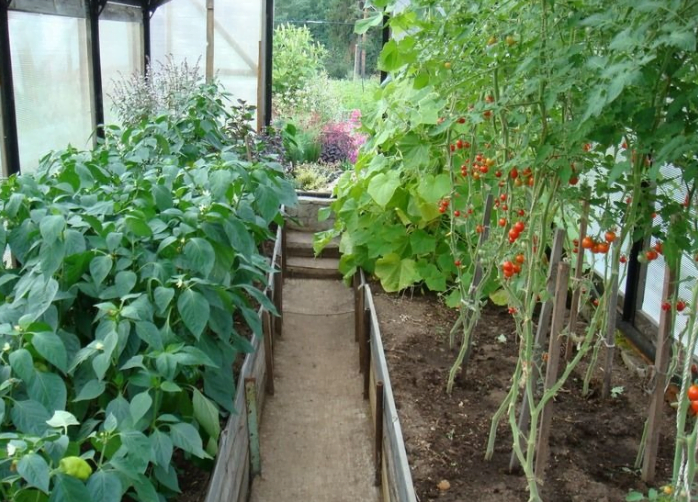
Plants that “get along” and grow better together are called companion plants. Tomatoes, for example, enjoy the company of carrots, dill, and basil, while the proximity of potatoes is harmful. The strong aroma of basil repels pests, while carrots, dill, parsley, and parsnips attract praying mantises, ladybugs, and spiders. These predatory insects feed on bugs that have a habit of spoiling tomatoes. Tomatoes and potatoes belong to the same Nightshade (Solanaceae) family, and are therefore susceptible to the same diseases and pests. Together, they will contract late blight much faster, and other diseases will spread between them at an astonishing speed.

Properly selected vegetable companion planting helps them grow better, makes them more resilient, and protects them from insects and diseases. Conversely, unfortunate combinations lead to plant illnesses. Peppers and beans, for instance, do not like to be near each other, peas prefer to be far from onions, and lettuce does not like to be next to broccoli.
Cucumbers and Tomatoes Side by Side. Is It Possible?
In Ukraine, cucumbers, tomatoes, peppers, and eggplants are mainly grown in greenhouses. Let’s just say these are the most common vegetables for cultivation in green houses. And very often, tomatoes and cucumbers are planted in the same space. However, these crops require completely different management conditions:
- Greenhouse irrigation for cucumbers is abundant, with sprinkling, while for tomatoes it must be applied strictly at the root;
- The temperature in the greenhouse for cucumbers needs to be hot, whereas for tomatoes it should be moderate;
- Cucumbers do not like greenhouse ventilation, while tomatoes, on the contrary, require it;
- Cucumbers do not require special fertilization, while tomatoes demand fertilization during watering.
Therefore, placing tomatoes and cucumbers in the same greenhouse is undesirable. Alternatively, the greenhouse must be divided, with tomatoes planted on one half and this section curtained off with film. Or, tomatoes can be grown in the greenhouse while cucumbers are cultivated in outdoor beds under a film cover.

Cucumbers. Features of Cultivation in Greenhouses.
Cucumbers are a very moisture-loving crop; they prefer frequent watering with warm, settled water and humid air. The temperature in the greenhouses for them is maintained quite high: approximately 22°C for seedlings. When the first fruit-sets appear, the temperature is raised further, bringing it up to 28°C. Most often, eggplants and peppers become the neighbors of this crop when growing in the protected soil of a greenhouse. However, it is necessary to plan the space wisely. The fact is that cucumber vines will stretch upward, and if planted along the edges of the greenhouse, they will cast shade over it.
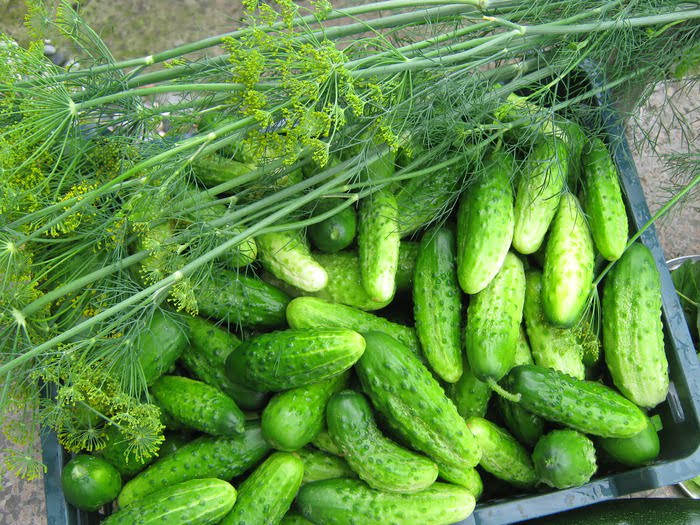
It is better to plant cucumbers in the middle row, and plant eggplants, peppers, and leaf lettuce along the edges of the greenhouse. You can also interplant some cabbage seedlings of early salad varieties. Radish is an excellent intercropping neighbor for cucumbers, as these plants have similar moisture and soil requirements. It can be grown right along the edge of the shared bed, but on the side where more light penetrates.
A good option to organize mixed vegetable plantings in a greenhouse is to set up a separate bed on one side to grow radishes, carrots, and onions, plant cucumbers in the center, and place sweet peppers on the opposite side. A very unusual but highly successful pairing is cucumber and radish. This partnership helps protect cucumbers from leaf beetles and spider mites. Various vegetables can be grown together in greenhouses, but the tomato is the most fastidious when it comes to choosing neighbors. The most unpretentious in choosing neighbors is the radish; for it, only light is important.
Wishing everyone a rich harvest!