Stages of silage preparation: how to prepare high-quality silage.
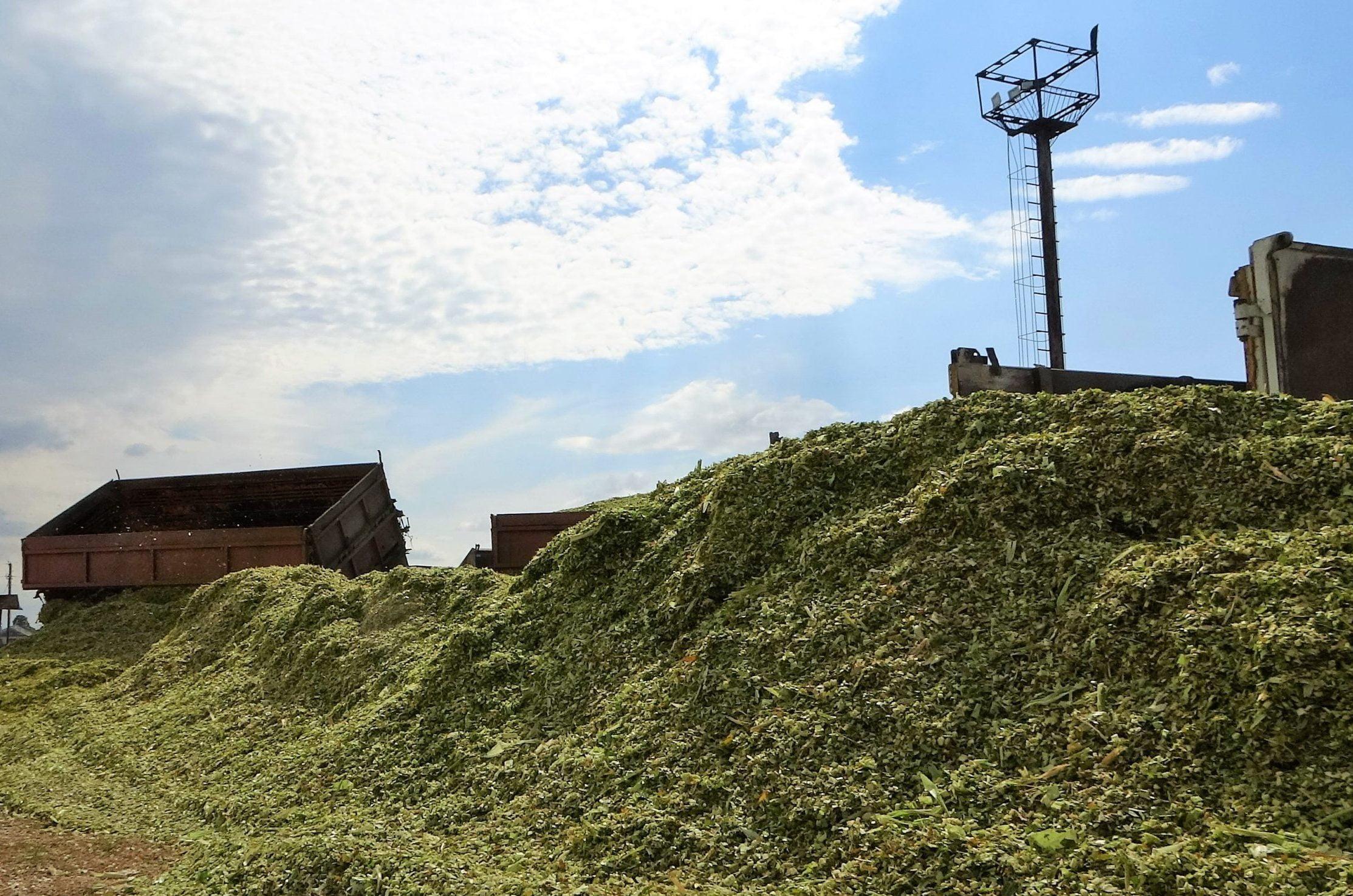
Corn is the most widespread crop used for ensiling, which is not surprising since corn silage features a high concentration of metabolizable energy (ME) at approximately 11.5 MJ per 1 kg of dry matter (DM). Furthermore, corn starch is absorbed exceptionally well by animals compared to starch from other crops. It raises blood glucose levels, resulting in increased milk yields, while young stock exhibit weight gain and stabilized metabolism. Unfortunately, corn silage does not always turn out to be so beneficial and nutritious. There can be several reasons for this. Therefore, let us look into what is required to obtain high-quality silage.
Where to Begin
First and foremost, you need to select a high-quality silage hybrid, and it is certainly not worth skimping on hybrids. A good hybrid can even compensate for errors in soil tillage or a lack of moisture during a drought year. Additionally, do not overlook fertilizer application and weed protection remedies.
At Which Stage of Ripeness to Harvest
The next phase involves choosing the correct harvesting stage. Corn for silage must be harvested during the wax ripeness stage of the ears, when the moisture content drops to 65% (a variance of +/- 3% is permissible). If the moisture content is higher, the silage pit will leach during the loading and compaction process. Consequently, the mass will lose a significant amount of juice, and along with this effluent, nutrient losses can reach up to 30%. With the outflow of juice, we also lose the sugars dissolved within it; as a result, lactic acid fermentation ceases, butyric acid fermentation intensifies, and the silage becomes over-acidified (pH 3.5–3.8). Consequently, cows consume it poorly, miss out on essential nutrients, and milk yields drop.
Chop Length and Kernel Processing
When harvesting silage during the wax ripeness phase, stalks should be chopped into fractions of up to 10 mm, and 95% of the kernels must be crushed into fractions of up to 5 mm. Whole, uncrushed corn kernels are not digested in a cow’s stomach and pass through intact. Moreover, finely chopped mass compacts better and releases sugar more rapidly, leading to more intensive lactic acid fermentation.
Corn Chopping Standards for Silage:
- In the milk-wax ripeness phase at 70–75% moisture: 20–30 mm;
- In the wax ripeness phase at 60–69% moisture: no more than 10 mm, and 5 mm for kernels.
Organizing the Corn Harvesting Process in the Field
The next critical step in achieving high-quality silage is the solid organization of the harvesting process. This includes an adequate fleet of machinery, correct configuration of the kernel processor (corncracker) to ensure that 95% of the kernels are crushed in the silage, preservative application, and the proper choice of cutting height. Cut above the 3rd “node”, meaning at a height of 35–45 cm from ground level, though this height depends on the stature of the corn itself. Cutting below the 3rd node makes no sense, as the lower stalk contains no nutritional value for the cow.
Filling the Silage Trench
We move on to the next highly vital phase of silage preparation—filling the silage pit or trench. The lion’s share of success when packing silage comes down to the correct compaction of the pit. It is advisable to lay a straw bedding cushion of about 30 cm at the bottom, and line the sides of the trench with conventional 120–160 µm polyethylene film. This helps prevent rainwater—and consequently, oxygen—from penetrating the silage, which could otherwise cause it to rot. To achieve high-quality silage, it is crucial to establish maximum hermetic sealing.
Now, it is essential to work quickly and in a coordinated manner. Tractors equipped with blades level and distribute the silage mass in uniform layers no thicker than 30 cm, while packing tractors compact it. The main objective is to pack the mass perfectly. The packing density per 1 cubic meter should be 650–750 kg. Quality is evaluated by measuring the temperature at a depth of 30–40 cm. If the mass heats up above 37°C, additional compaction is performed. How many units of machinery should operate on the pit? This depends on the number of tons per hour delivered to the pit. The total weight of all machinery on the pit should equal 1/3 to 1/2 of the silage mass brought in per hour.
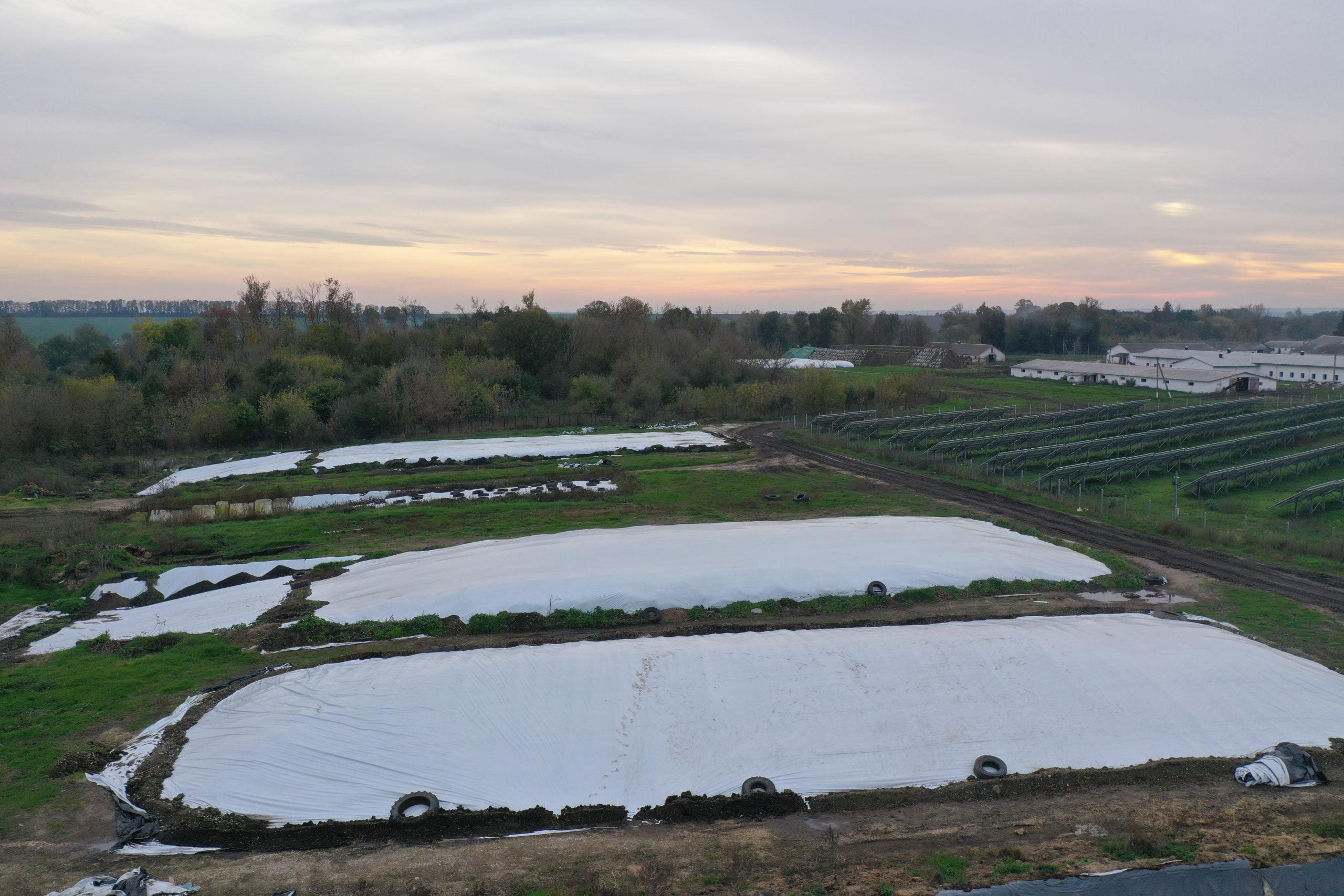
Sealing the Silage Trench: Preventing Air Ingress
Once the filling of the pit is completed (the last truck with silage has arrived), you continue packing for another 1–1.5 hours, no more. Immediately after this, the trench is sealed with film. This same practice is recommended if filling is paused for a period exceeding 8 hours. It is vital to cover the silage pit expertly. Do not skimp—use two films: one thin underlay film of 40–50 µm, and a specialized black-and-white silage film of 120–150 µm on top, which will protect against heating and UV radiation. You can purchase high-quality silage film by contacting our sales department at +38 (044) 229-00-00.
We have been manufacturing high-quality films for agriculture for over 20 years. Today, specialized polyethylene silage film is the best material for covering silage in trenches. The oxygen permeability of our silage films is 100 times lower than that of traditional films. This ensures superior feed protection and a higher quality end result. Additionally, our silage film is slightly softer than traditional film to facilitate easy leveling over the silage feed. Discover more about our silage films on our website.
In uncovered storage facilities, silage losses reach 200–300 kg per 1 m2 of surface area. Aerobic deterioration of the silage occurs, resulting in the formation of toxic substances that negatively impact animal health and productivity.
Sandbags, used tires, or other weights are placed on the surface of the film, or it is weighted down with a layer of earth 10–15 cm thick.
An Alternative Method of Silage Storage
Nutrient preservation in silage increases significantly when packing the mass into polymer sleeves: dry matter and crude protein losses in this case do not exceed 5%, whereas during ensiling in trenches they reach up to 20%. Polymer sleeves, also referred to as grain sleeves or bags, protect the feed from the destructive effects of air and ultraviolet rays, guaranteeing silage preservation for up to 2 years. To learn how to reduce losses during forage storage and read about economically profitable storage methods, visit our article here.
Silage Maturation
Corn silage matures 4–6 weeks after packing (3 weeks is the absolute minimum). Its extraction is carried out in vertical layers across the entire cross-section without disrupting the consolidation of the remaining feed—a layer 35–50 cm thick is cut from the total mass using a block cutter or defacer. The remaining silage is covered back over with the film used for sealing the silage trench. Violating these rules leads to the heating of the feed, resulting in a daily loss of up to 3% of organic matter.
Silage Face Feedout Rate
The dimensions of the silage trench must be planned so that the minimum weekly feedout rate is 1–1.5 meters in winter and 2–2.5 meters in summer. If the extraction rate is slower, heating of the silage mass will commence, accompanied by losses in nutritional value and a reduction in feed intake by animals. Alternatively, the cut face can be stabilized by treating it with specialized agents containing propionic acid (also known as propanoic acid or methylacetic acid).
By strictly adhering to the technology of cultivation and silage preparation, you will secure high-quality feed and, consequently, an increase in the milk productivity of your cows.
Wishing everyone a rich harvest!