Feed in a silobag: from storage to the feeder
A practical guide for livestock farms.
Why a Storage Bag is More Than Just Film
When you first see a polymer storage bag, your first impression might be: it’s just a large plastic sack. Load it, seal it, forget it.
But in reality, a silobag is a controlled environment. Everything that happens inside after loading directly affects the quality of the feed in three, six, or even twelve months. The result depends not only on the film but also on how you work with it.
The technology for storing feed in polymer bags originated in Germany and is now used on all continents, spreading to new farms. And not because it’s trendy, but because it works effectively.
The main advantages of bags over traditional silos are mobility, significantly lower infrastructure investment, and reliable protection against moisture, pests, and oxygen. However, these benefits are only realized when the technology is used correctly.
This article is a practical guide for those working with bags for the first time or wanting to dive deeper. We will cover the entire journey: from site preparation to the moment the feed reaches the feed bunk.
What Happens Inside the Bag After Loading
The bag is loaded and sealed. Silence all around. But inside, a process begins that will determine the feed quality for months to come. This process is called fermentation.
Fermentation occurs in several phases, and each one is crucial.
Oxygen is Still Present
Immediately after sealing the bag, residual oxygen between the particles of the loaded mass is consumed by plant cells and aerobic microorganisms: yeast and mold. Ideally, this phase should last only a few hours. But if the mass is packed loosely, it can stretch up to 48 hours. The longer this phase lasts, the more nutrients are wasted on improper fermentation, resulting in poorer feed quality. (FAO, Silage Fermentation Processes).
Oxygen is Depleted, Preservation Begins
Once the oxygen is exhausted, anaerobic bacteria take over. First, acetic acid-producing bacteria lower the pH from 6.0 to approximately 5.0. This phase lasts one to two days. (Penn State University, College of Agricultural Sciences, 2023).
Lactic Acid Bacteria Take Control
Lower pH creates conditions for the development of lactic acid bacteria, which continue to reduce acidity. If fermentation proceeds correctly, the pH of corn silage should be 3.5–4.5, and haylage 4.0–5.5, depending on the moisture content. The entire cycle is usually completed within 10–21 days after loading. Therefore, the general recommendation is not to open the bag for feed retrieval earlier than 3 weeks. (University of Kentucky, College of Agriculture, Food and Environment, 2023).
What Types of Feed Can Be Stored in Polymer Bags
Bagging is not limited to just one crop. However, each type of feed has its own moisture and preparation requirements. Let’s look at some examples.
Corn Silage
The most common and easiest feed to work with in bags. The optimal moisture for corn silage at loading is 65–70%. If it’s too dry, it’s difficult to displace oxygen even with dense packing. If it’s too wet, silage juice leaches out, taking soluble nutrients with it. (University of Wisconsin-Madison, Extension Service, 2022).
Haylage (Alfalfa, Grasses)
More moisture-sensitive than silage. The optimal range for haylage is 60–65%. If moisture exceeds 65%, the risk of butyric acid fermentation increases, resulting in unstable feed with an unpleasant odor. Therefore, after mowing, grass must wilt to the required level before bagging. (University of Wisconsin-Madison, Extension Service, 2022).
Soybean Silage
Soybeans are harvested for silage at the full seed stage (R6), when the beans are full-sized but the leaves are still green. At this stage, plant moisture reaches 75–80%, so wilting is necessary before bagging. Soybean silage mixes well with corn silage, which increases the protein content of the ration. (Penn State University, College of Agricultural Sciences, 2023).
Cereal Crops (Rye, Oats, Barley)
Annual cereals like rye, oats, and ryegrass provide high-quality silage when harvested at the optimal maturity stage. If the dry matter at harvest is below 30%, wilting is recommended. (University of Florida, IFAS Extension).
Sugar Beet Pulp
A sugar production byproduct with high fermented fiber and residual sugar content—a valuable energy source for ruminants. Pulp ensiles well and maintains nutritional value in an anaerobic environment. For better fermentation and stability, it is often bagged in a mix with distillers’ grains or grain. (South Dakota State University, Kalscheur et al., 2004). Bagging is the optimal solution for storing pressed pulp directly on the farm.
Brewers’ Spent Grain
A wet byproduct of brewing with 70–80% moisture and high protein levels. Ensiling is the best way to store brewers’ grain long-term as it does not change its nutritional value. The feed in the bag is ready for retrieval 3 weeks after loading and can be stored for over 6 months. (Feedipedia, Boessinger et al., 2005). Important: Bag it as soon as possible after production and avoid contact with rain before sealing.
Distillers’ Grains (Wet Cake)
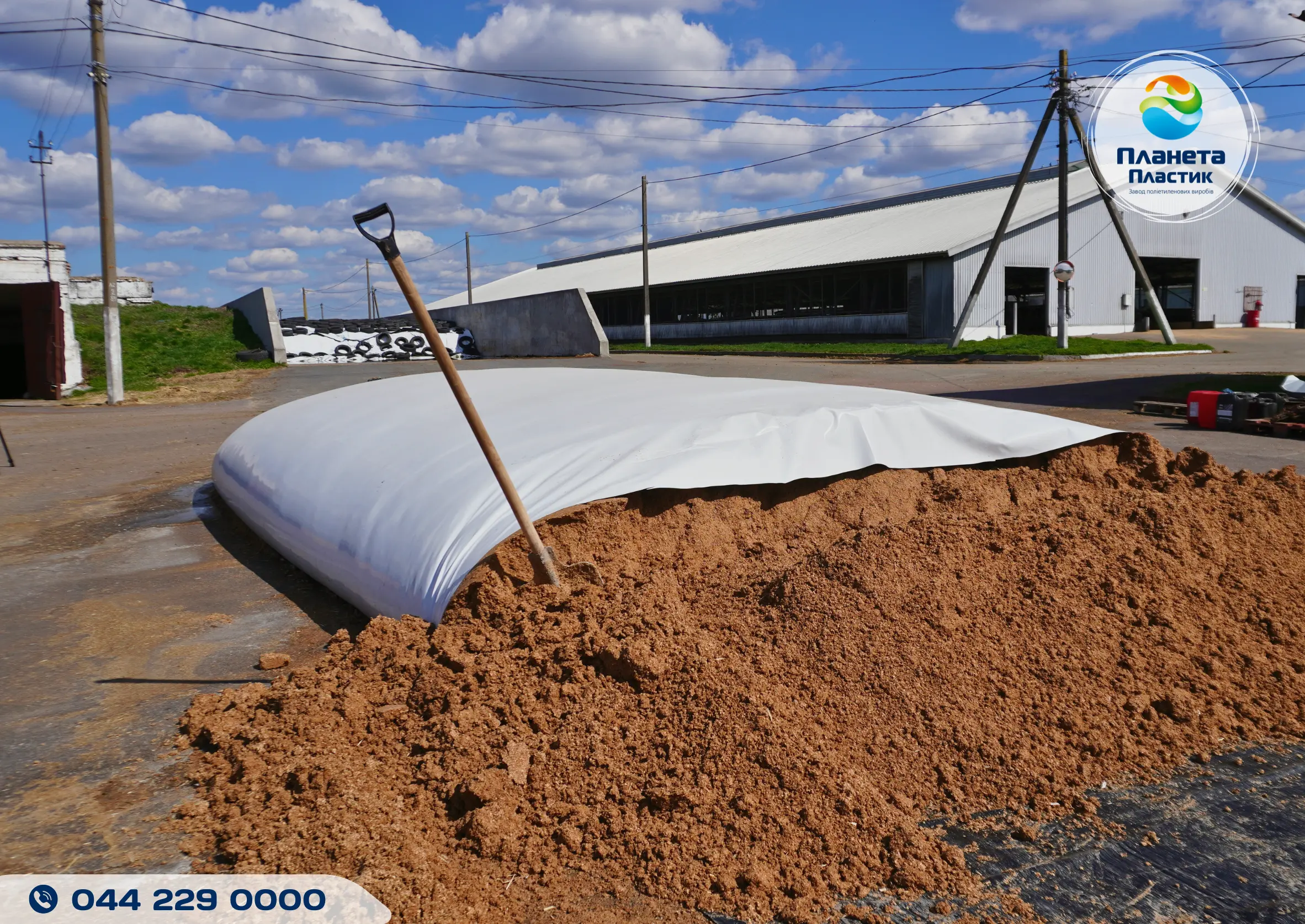
A byproduct of bioethanol or alcohol production with 65–75% moisture. Rich in protein, fat, and phosphorus, it complements roughage-based rations well. Distillers’ grains can be bagged alone or mixed with corn silage or beet pulp—such mixtures provide stable fermentation and are more convenient for rationing. (South Dakota State University, Kalscheur et al., 2003–2004). A mixture with corn silage (25–50% distillers’ grains) is a popular choice among dairy farms.
✅ General Rule for Any Feed:
The moisture content of the mass for bagging should be between 50–75% depending on the crop and compaction method. Going outside these limits in either direction leads to poor fermentation or loss of nutrients through leaching.
Preparation for Loading: Three Decisions That Define Everything
Before the machinery arrives, there are a few things to decide. The most important is where exactly the bag will be placed.
Bags Can Be Loaded Anywhere Convenient
This is a key advantage. No need to build a permanent structure or transport feed long distances. Bags serve as temporary or permanent solutions and suit both large and small farms. You can place the bag right next to the barn to minimize feeding logistics.
Segregated Storage – For Strategic Rationing
Storing different crops and different cuttings in separate bags gives dairy farms maximum flexibility in rationing based on the animals’ physiological stage. For example, the first, second, and third cuttings can be stored separately to precisely select feed for dry cows, heifers, or the milking herd.
Site Selection
The ideal surface: hard, level, and well-drained. Concrete or level asphalt is best. If unavailable, compacted soil works well, provided it is properly prepared. A well-prepared site is the foundation for high-quality feed and good fermentation.
The Loading Process: From the First Kilogram to the Sealed Bag
Loading is not just “fill it and go.” This is your last chance to influence feed quality. Once the bag is sealed, you can’t.
How the Bagger Works
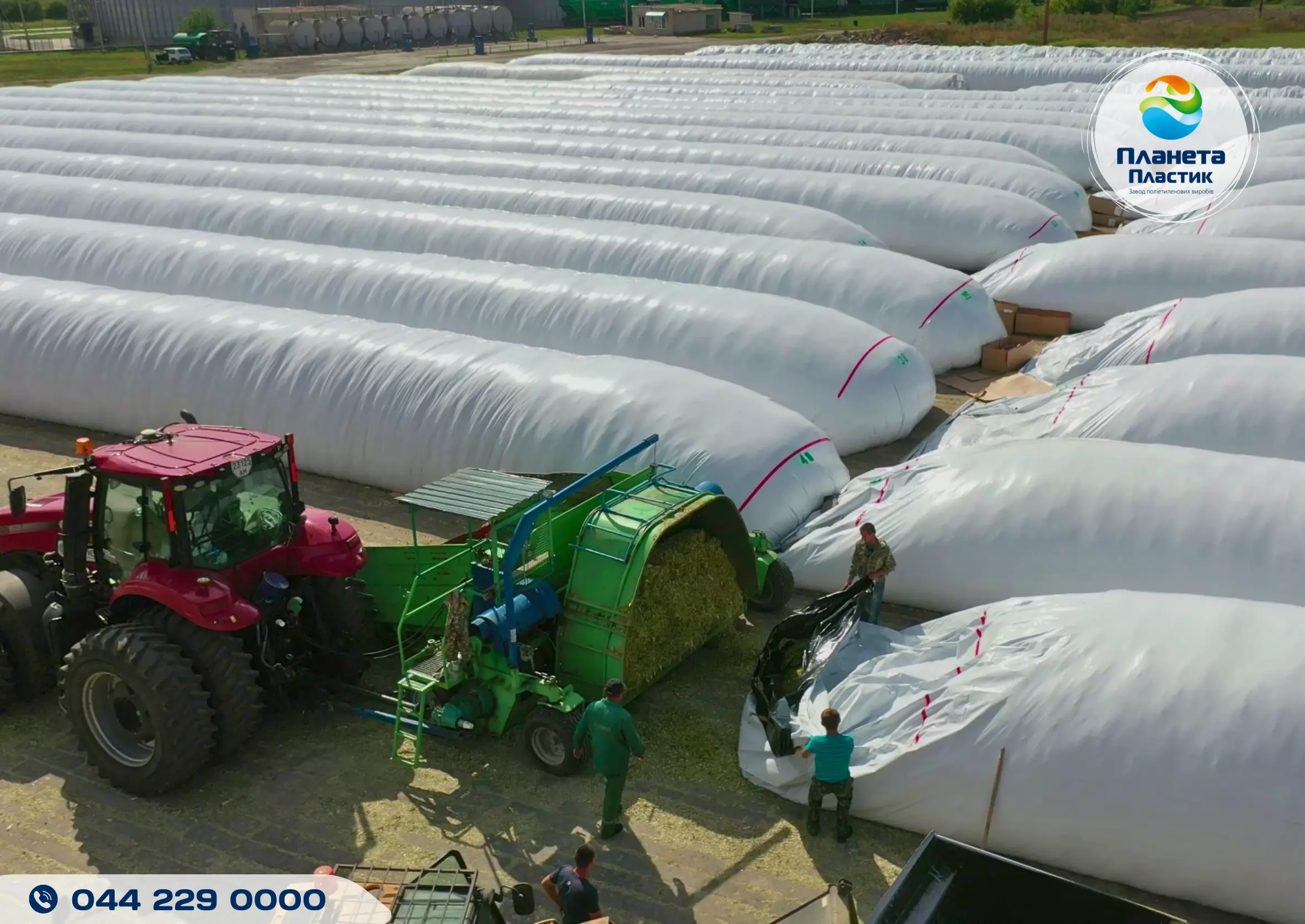
Silage is unloaded from a trailer onto a conveyor belt, which feeds the mass into the bagger’s rotor. It is then mechanically compressed into the bag. Cables on the sides connect the machine to a backstop—this allows for controlling the packing density. The operator moves the machine forward as the bag fills.
Density is the Most Important Parameter
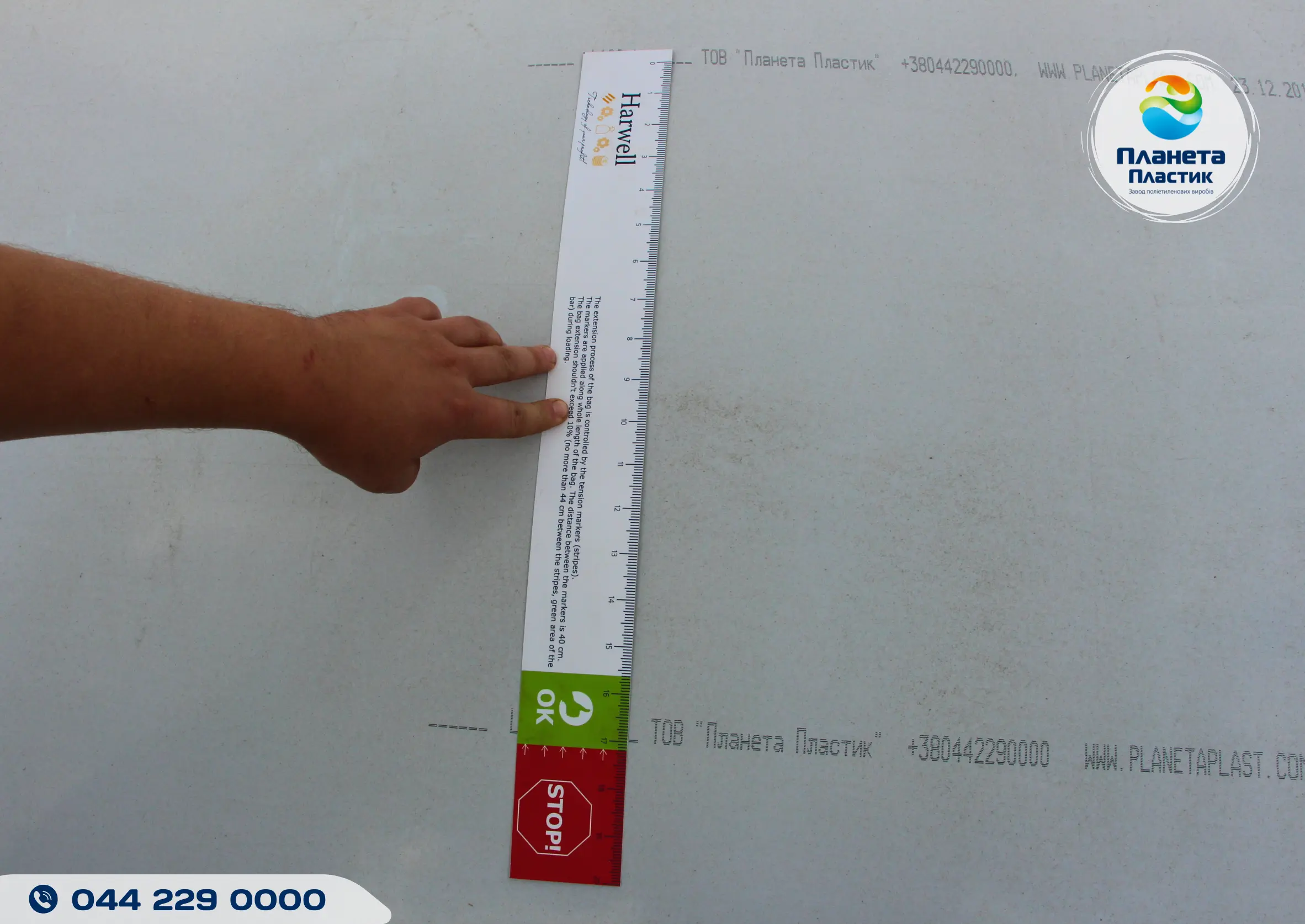
The more densely the mass is packed, the less air remains between particles, and the less oxygen will penetrate even if the film is damaged. Bag manufacturers print stretch indicator lines on the film. If the distance between them is correct, the packing density is within the recommended range.
Loading Speed Matters
Quickly loading the bag minimizes feed contact with air. Don’t delay the process: every extra hour with an open bag means losses even before fermentation begins.
What to Do With Gases After Sealing
During the initial fermentation stage, excess gas can accumulate inside the bag. It must be released through a special valve; otherwise, the film may burst. Note: these gases are toxic. (University of Wisconsin-Madison, Extension Service, Team Forage).
📽️ Video: The Feed Bagging Process
Watch how a silage press works and how a bag is formed in real farm conditions.
Properly Opening the Bag and Managing Retrieval
Fermentation is complete. The bag can be opened. But this is where many farms lose what they successfully preserved.
The risk is the same—oxygen. As soon as the edge of the bag is opened, air starts contacting the feed. Yeast and molds that were suppressed during storage wake up and multiply. The feed heats up, loses nutritional value, and becomes less palatable.
When dairy cows were fed corn silage that had been in contact with oxygen for four days, dry matter intake decreased by 38% (University of Wisconsin-Madison, Extension Service, Team Forage). This isn’t just an abstract number—it’s milk yield and growth that the farm simply didn’t get.
To avoid this, two rules solve everything.
Rule One: Remove only as much film as needed for one day.
Don’t open the bag in advance. Cut the film only for the daily retrieval amount. Exposed feed is a risk zone; the larger this zone, the faster the feed spoils.
Rule Two: Maintain a flat retrieval face.
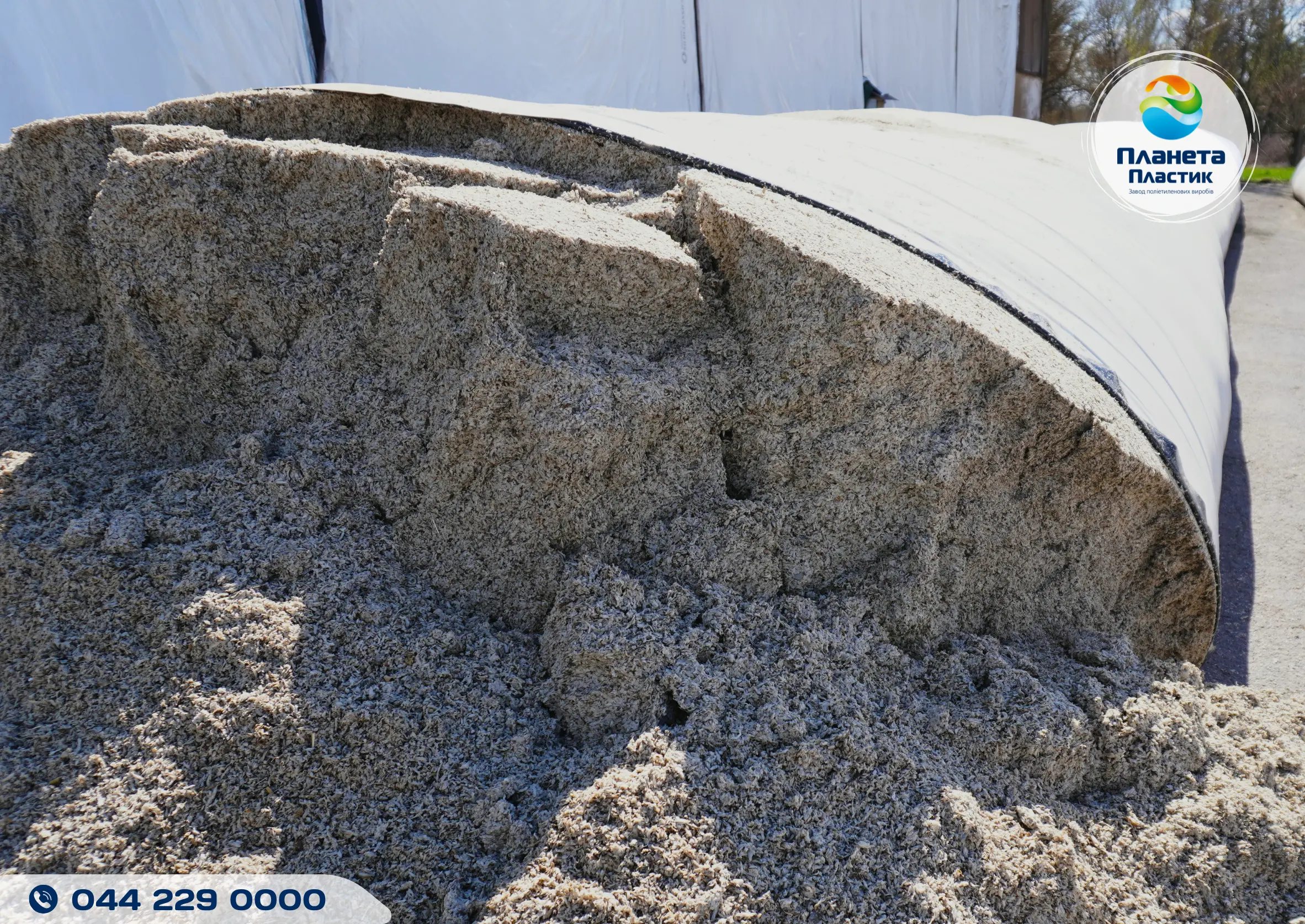
Retrieve feed in even layers across the entire diameter of the bag. Avoid block cutting, where feed is taken in chunks from different zones. This creates an uneven surface with a large area contacting air, leading to accelerated spoilage.
The recommended minimum retrieval rate is 20–30 centimeters per day. In hot weather, microbial activity increases, so the retrieval rate should be increased in summer. (University of Florida, IFAS Extension, 2021).
By the way: the mass at the top and sides of the bag is always slightly less dense than in the center. This is normal. Just mix it uniformly with the main feed during retrieval, and the ration will remain stable until the last kilogram.
How to Choose a Bag — What to Really Look For
When everything is done right: site prep, loading, moisture control—the last thing that should fail is the bag itself. But the difference between cheap film and high-quality film is felt not at the time of purchase, but after several months of storage.
Diameter and Length
If you’re choosing a bag for the first time, the most important thing to know is that the diameter is determined by the bagger (silo press). Each machine works exclusively with one specific bag diameter. So, your first step is to check the specs of your machinery or the one you plan to rent. Length (60, 75, or 90 meters) is typically chosen based on the volume of feed.
Film Thickness
For feed bags, it’s roughly 240 microns. Thinner film might work for short-term grain storage but won’t withstand the mechanical stress of loading silage or haylage and carries more risk of external damage.
UV Protection
The bag sits outdoors for months. Without a UV stabilizer, the film gradually becomes brittle, micro-cracks appear, and oxygen finds its way inside. A stabilizer is a must.
Multi-layer Construction
The white outer layer reflects sunlight and protects the feed from overheating. The inner black layer blocks direct rays. Together, they maintain a stable internal temperature, which directly impacts fermentation quality and nutrient preservation.
What Can Go Wrong — And How to Fix It
Polymer bags are reliable, but they don’t forgive neglect. Here are the most common situations that are entirely in your hands.
Any extra hole in the bag allows oxygen in, which means spoilage. Holes can happen for various reasons: birds, rodents, or machinery. Inspect the bag regularly, especially in the first weeks. After loading, always clean up spilled feed around the bag—the smell attracts pests. Site hygiene is the best pest control solution. An electric fence around the site is also one of the simplest and most effective solutions.
Film damage should be sealed immediately with specialized adhesive tape for polymer bags (usually included). Regular tape won’t work as it lacks the necessary adhesion and UV protection.
Another issue is moisture at loading. Too wet, and you get leaching; too dry, and oxygen isn’t displaced effectively. A simple moisture analysis before loading takes minutes and eliminates this risk entirely.
Most bag issues aren’t technical; they happen because attention shifts elsewhere after sealing. A bag doesn’t need hourly care, but a weekly inspection is the minimum for quality storage.
Summary: Feed Storage is Easier Than It Seems
We’ve walked the whole path—from what happens inside the bag in the first 48 hours to properly opening it months later. If you take one idea from this article, let it be this: storing feed in polymer bags is not a complex technology reserved for giant agri-holdings. It is an affordable, reliable, and proven solution for any farm.
A bag doesn’t require permanent construction or massive teams. It requires an understanding of the technology—and that is exactly what you know now.
If you have questions or are considering your first bagging experience, Planeta Plastic produces Harwell™ bags and advises farms at every stage: from size selection to loading techniques. Bags are always in stock, allowing you to prepare for the season without haste.